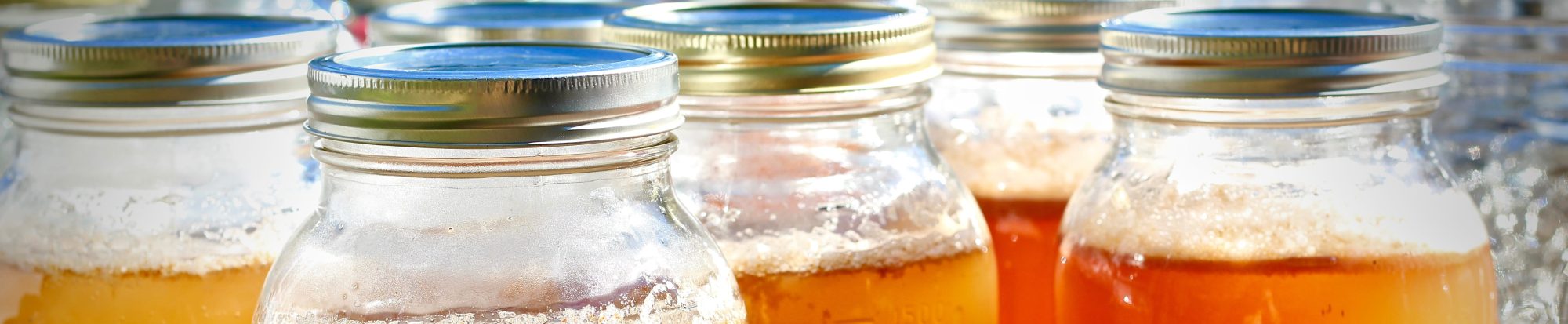
History Of Fermented Beverages
Fermented beverages have been around for centuries, and the history of these drinks is as varied as their tastes. From ancient civilizations to modern brewing techniques, fermented drinks have played an important role in cultures all over the world. These concoctions are not only delicious, but also provide insight into the history of how people prepared and consumed beverages throughout time. In this article, we’ll explore the fascinating history of fermented beverages.
From beer to wine to sake and beyond, fermented drinks have been part of human culture for millennia. These unique beverages offer a unique glimpse into our past, providing insight into how people interacted with their environment and each other through food and drink. We’ll look at some of the most popular fermentation methods used throughout history, as well as their influence on the flavors we enjoy today. So let’s dive in and explore the exciting history of fermented beverages!
Ancient Fermentation Practices
Fermentation has been a part of human history since antiquity. Archaeological evidence suggests that ancient people from Mesopotamia, Egypt, and China were fermenting various beverages as early as 7000 BC. These beverages ranged from honey-based mead to beer-like beverages made with grain or fruit. In some cultures, fermented beverages were used for ritual and religious purposes, while in others they were consumed recreationally.
Fermented drinks also served a practical purpose; during the fermentation process, alcohol was produced which helped preserve the beverage and reduce the risk of foodborne illness. This allowed ancient cultures to store and transport liquids over long distances without requiring refrigeration or pasteurization. Fermented drinks such as mead, wine, cider, and beer eventually spread across Europe and other parts of the world due to trade routes established by merchants. To this day, many traditional fermented drinks are still enjoyed worldwide.
Beer Brewing Techniques
Ancient fermentation practices have long been used to create flavorful and sustaining beverages. Beer brewing is one such practice, with a rich history that dates back thousands of years. It requires the use of malted barley, hops, and yeast in order to create a delicious, alcoholic beverage. The malted barley provides the sugar for the yeast to ferment into alcohol, while the hops give the beer its distinctive flavor.
The process of beer brewing starts by mashing the malt and boiling it with hops. This mixture is then cooled and combined with fermented yeast which will convert the sugars present into alcohol. After this process is complete, it’s time for conditioning and aging. This allows flavors and aromas to develop more fully before being bottled or kegged for consumption. Over time, brewers have developed many variations on this process, resulting in a wide range of beer styles from light ales to dark stouts.
Wine Making
Enjoying a glass of wine is one of the oldest and most beloved indulgences in human history. Wine making has been around for thousands of years, and its methods have been refined over time to give us the wide variety of options available today. The process begins with the selection of grapes, which are then crushed and fermented together to create a beverage that can range from dry to sweet depending on the type. This mixture is then aged in barrels or bottles, creating a unique flavor profile that can be enjoyed by everyone. In addition to aging, other techniques such as adding different types of yeasts or fortifying with brandy can also be used to further enhance the flavor. As wine has evolved over time, so have its uses; it’s no longer just an accompaniment for meals but rather a source of pleasure all its own!
Sake History
Moving from the world of wine-making, sake history is just as interesting. Sake is a type of fermented rice beverage that has been brewed in Japan for centuries. It’s made by fermenting steamed rice with koji, a fungus that helps break down the starches and turn them into sugars. Water is then added to the mixture, which is then allowed to ferment. During this process, enzymes in the koji break down the starch in the rice and create alcohol, resulting in what we know today as sake.
Sake has been part of Japanese culture for centuries, playing an important role in religious ceremonies and festivals. It’s often served at weddings as well as other special occasions, and it’s usually enjoyed not only for its flavor but also for its ability to bring people together. Sake can be enjoyed either hot or cold depending on preference, with both styles having their own unique characteristics and flavors. Despite its popularity in Japan, sake is becoming increasingly popular around the world as more people discover its unique flavor profile and craftsmanship behind its production.
Modern Fermentation Methods
The rise of modern fermentation methods has revolutionized the beverage industry, creating a huge variety of flavors and styles that would have been impossible just a few decades ago. As craft breweries and wineries around the world push the limits of what can be created with fermentation, we’re seeing more flavor combinations than ever before – from traditional beer styles to innovative fruit-infused wines. The possibilities seem endless, bringing a sense of excitement and anticipation to each new creation.
Nowadays, creating new beers or wines is no longer limited by traditional rules or processes. Brewers are free to experiment and explore with both new ingredients and new techniques, leading to an ever-growing selection of unique beverages that excite even the most experienced connoisseur. With each sip, we get to experience something different – a combination of flavors that could only have come from modern fermentation methods. Whether you’re looking for an old favorite or trying something completely out of the ordinary, this rich history provides an endless opportunity for discovery and enjoyment.
Frequently Asked Questions:
What Are The Health Benefits Of Consuming Fermented Beverages?
Fermented beverages such as kombucha, kefir, and kvass have become increasingly popular in recent years due to their potential health benefits. Studies have suggested that these drinks may help improve digestion, reduce inflammation, boost immunity, and even aid in weight loss. Consuming fermented beverages on a regular basis could also provide some important vitamins and minerals. Additionally, they contain probiotics which may help to balance gut bacteria. While there is still more research needed in this area, it appears that fermented beverages can offer numerous health benefits when consumed regularly.
Are There Any Laws Or Regulations Governing The Production Of Fermented Beverages?
Yes, there are laws and regulations governing the production of fermented beverages. These vary depending on the country or region, but generally involve requirements for the ingredients used, how they’re produced, and how they must be labeled. Additionally, these laws may also specify minimum or maximum alcohol content or impose limits on certain additives. In some cases, producers may need to obtain a special permit in order to produce fermented beverages.
What Are The Different Types Of Yeasts Used In The Fermentation Process?
Yeasts are an essential part of the fermentation process, and there are a variety of types used in the production of fermented beverages. Saccharomyces cerevisiae is a type of ‘brewer’s yeast’ that is used to make beers, ales, and lagers. Saccharomyces bayanus is another type that is often used in wines and ciders. Brettanomyces bruxellensis is a wild strain that can be used to produce sour beers with more complex flavors. Lastly, Lactobacillus bacteria is commonly added to create sour beer styles such as lambics and Berliner Weisse.
What Are The Different Flavoring And Aging Techniques Used In Fermented Beverages?
Flavoring and aging techniques for fermented beverages can greatly affect the flavor profile and complexity of the beverage. Common flavoring techniques include adding fruits, herbs, spices, or other ingredients to the fermentation process. Aging techniques often involve leaving the beverage in wooden barrels or stainless steel tanks to allow it to develop deeper flavors over time. Some beverages may also be aged with additional yeast or sugar additives to create new flavors and complexity.
What Is The Environmental Impact Of Producing Fermented Beverages?
Producing fermented beverages can have a significant environmental impact. The process of fermentation produces carbon dioxide, which is released into the atmosphere and contributes to global warming. Additionally, the resources needed to produce large quantities of fermented beverages—such as water, land, and energy—can be damaging to the environment if not managed properly. Furthermore, some of the byproducts of fermentation can be toxic and pollute air and water sources if not disposed of correctly. For these reasons, it’s important for producers of fermented beverages to take steps to reduce their environmental impact.
Conclusion
Fermented beverages have been around for centuries, and continue to be a popular choice for many people. They provide significant health benefits, and are subject to certain laws and regulations that must be adhered to during production. Different yeasts, flavoring, and aging techniques can be used to create a variety of unique fermented drinks. It’s important to consider the environmental impact of production when choosing which beverage to purchase. All in all, fermented beverages are an enjoyable way to get essential nutrients while contributing to a healthier planet.
 Fermented Beverages Hub