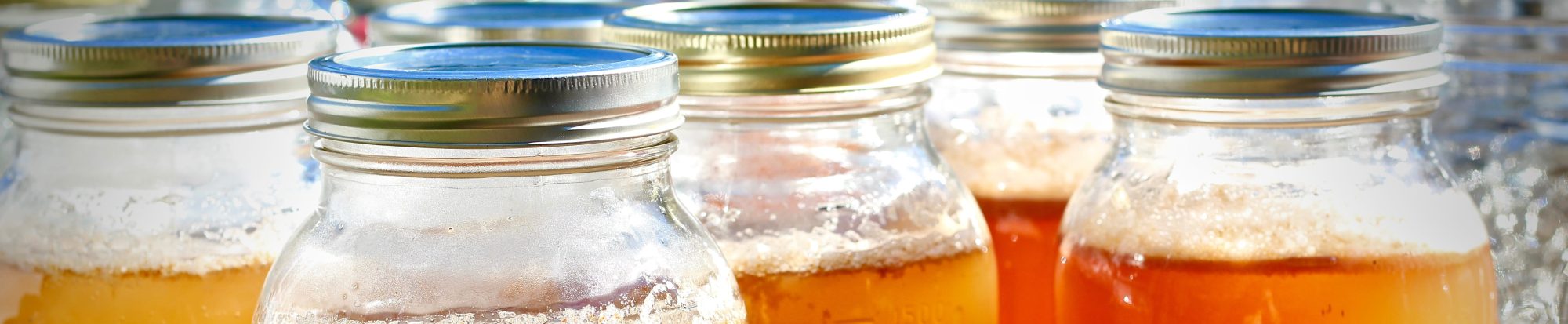
Spring Water For Fermentation
Spring water is a great choice for anyone looking to ferment their own food and drinks. It’s natural, pure, and full of minerals that can help create the perfect fermentation environment. Plus, it’s easy to find and use in any home or commercial setting. In this article, we’ll discuss why spring water is so beneficial for fermentation, as well as some tips for getting started with your own project.
Fermenting food and drink has become increasingly popular in recent years, as people have become more aware of its many health benefits. But for optimum results, it’s important to choose the right ingredients – including the type of water you use. Spring water is an excellent option because it contains trace minerals that are crucial for successful fermentation. Read on to learn more about why spring water is so beneficial and how to get started with your own fermentation project!
Benefits Of Spring Water For Fermentation
The use of spring water for fermentation has numerous benefits. Many brewers prefer to use it as a base for their fermented beverages since spring water is naturally filtered and has a high mineral content which makes it ideal for producing beers and wines that are full-flavored and well balanced. Additionally, spring water doesn’t contain any chlorine or other chemicals which could interact with the yeast and ruin the flavor of the final product.
Another benefit is that using spring water allows brewers to control the pH level in their finished product. This is especially important for beers because having the correct pH balance will ensure that hops and malt flavors come through properly. Spring water also aids in fermentation by providing enough sugar for yeast to consume, allowing them to produce alcohol more efficiently than if they were using tap or bottled water instead.
Choosing The Right Spring Water
When it comes to fermentation, the quality of water used is an important factor. Spring water is a great option due to its natural composition and nutrient-rich profile. It provides ideal conditions for fermentation, allowing for optimal growth of yeast and bacteria.
It’s important to choose the right type of spring water for your fermentation project. Natural spring water should be free from contaminants and pollutants, making it safe to use in fermentation. Also, look out for any added ingredients such as minerals or other trace elements that may have a negative impact on the flavor of your fermented beverage. Be sure to also consider the pH balance of the spring water and make sure it falls within the recommended range for your particular fermentation project.
Preparing Spring Water For Fermentation
Preparing spring water for fermentation is an important step in ensuring a successful brew. It’s essential to use high-quality water that has been filtered and free of any chlorines, heavy metals, and other impurities. To do this, start by boiling the water for at least 20 minutes to ensure all bacteria are killed off. Once the water is cool enough to handle, add some gypsum or calcium sulfate to bring out the flavor of the hops and balance out the pH level. This will also help with clarity and stability during fermentation. Finally, make sure your spring water is no more than 70 degrees Fahrenheit before adding yeast to start the fermentation process. Taking these steps will ensure you get the best tasting beer possible.
Tips For Beginner Fermenters
Using spring water for fermentation is a great way to start your journey into fermenting. It has the perfect balance of minerals and pH level to help get your ferment off to a great start. Plus, it’s readily available and relatively inexpensive compared to other sources of water.
When it comes to fermentation, however, you’ll need to make sure that you’re using clean, uncontaminated water. Spring water is typically free of any harmful chemicals or pollutants, but make sure you read the label carefully before using. Boiling the water for 10 minutes beforehand is also recommended as a precautionary measure. With these simple tips in mind, you can confidently use spring water for fermentation and enjoy the delicious results!
Troubleshooting Common Problems
Fermenting with spring water can be quite rewarding, but it’s not without its issues. If your fermentation seems to be stuck, take a closer look at your ingredients and the environment in which you are fermenting. Is the temperature too high or too low? Is your water too hard or soft? Are there enough nutrients for the yeast to eat? Answering these questions will help you determine what might be causing the problem.
If you’re having trouble getting started, a simple solution is to add a nutrient blend specifically designed for fermentation. This type of additive typically contains minerals and vitamins that will give the yeast a better chance at doing its job. Additionally, aerating your wort or must can help get everything going if it’s been sitting idle for too long. Be sure to follow manufacturer instructions when using any additives so that you don’t accidentally throw off your fermentation process.
Frequently Asked Questions
What Is The Difference Between Fermenting With Spring Water And Regular Filtered Water?
Fermenting with spring water as opposed to regular filtered water can have a significant impact on the fermentation process, as well as the taste of the finished product. Spring water is often naturally high in minerals and other elements that provide nutrition and enhance flavor, while regular filtered water is usually lacking in these same elements. Since fermentation relies on nutrition, using spring water can result in more robust and flavorful results compared to using regular filtered water.
Does The Mineral Content Of Spring Water Vary Between Sources?
The mineral content of spring water can vary greatly depending on the source. Differences in concentrations of essential minerals like calcium and magnesium can impact the fermentation process, so it’s important to know the exact composition of your water source.
Is It Necessary To Use Spring Water For Fermenting?
When it comes to fermenting, is it necessary to use spring water? Generally speaking, spring water is not a requirement for fermentation. In fact, while many craft brewers and home brewers prefer the taste of spring water, any type of clean drinking water can be used instead. Spring water may have certain advantages, such as an ideal mineral content that helps create a better-tasting end product. However, if you don’t have access to spring water, using regular tap or filtered water is just as effective and can produce great results.
What Is The Shelf Life Of Fermented Products Made With Spring Water?
Fermentation is a popular method of preserving food, but it also affects the shelf life of the product. The shelf life of a fermented product depends on the type and quality of ingredients used in its preparation. In particular, using spring water for fermentation can drastically increase the shelf life of the finished product. Spring water contains natural minerals that help to preserve the fermented food and keep it fresh for a much longer period than products made with regular tap water.
Is There A Difference In Taste Between Fermenting With Spring Water And Other Types Of Water?
Fermenting with spring water versus regular tap or bottled water can make a difference in taste. The minerals and nutrients found in spring water can bring out more flavor from the fermentation process, which could result in a more complex, flavorful product than what you would get from other types of water. Additionally, spring water is usually free from chlorine and other chemicals that may impair the taste of the fermented product.
Conclusion
Overall, fermenting with spring water has its advantages. It can be beneficial to use spring water due to its mineral content, which could potentially add flavor or complexity to the fermentation. However, it’s not necessary to use spring water for most ferments and regular filtered water can still produce good results. The shelf life of products made with spring water may be shorter than those made with other types of water, so it’s important to take that into consideration when deciding which type of water to use. Ultimately, it comes down to personal preference and experimentation – so try different types of water and see what works best for you.
 Fermented Beverages Hub