Tepache Vs Kombucha
Tepache and kombucha are two popular fermented drinks that have been gaining in popularity in recent years. Both offer a variety of health benefits and can be enjoyed as an alternative to sugary sodas and energy drinks. In this article, we’ll explore the differences between tepache and kombucha to help you decide which one is right for you.
Tepache is a traditional Mexican beverage made from fermented pineapple rinds, while kombucha is a sweetened tea that’s been fermented with yeast and bacteria. Both drinks are rich in probiotics, which can aid digestion and boost immunity. They also contain beneficial acids that can help protect against free radicals and reduce inflammation. Depending on how they’re prepared, both tepache and kombucha can be either sweet or tart in flavor.
Origins And Ingredients
Tepache and kombucha are two traditional fermented drinks that have origins in different parts of the world. Tepache is a Mexican beverage made from fermenting pineapple rinds, while kombucha was first brewed in China with sweetened tea.
Tepache is prepared by adding sugar, cinnamon, and cloves to the pineapple rinds before they are left to ferment for several days. This yields a sweet, slightly alcoholic beverage that can be served hot or cold. Kombucha is brewed with a combination of tea, sugar, and a SCOBY (Symbiotic Culture of Bacteria and Yeast). This mixture is left to ferment for up to a week before it’s ready to drink. The resulting beverage has health benefits due to its probiotic content. Both tepache and kombucha offer unique flavors that have been enjoyed by people around the world for centuries.
Health Benefits
Tepache and kombucha both have centuries of history behind them, with tepache originating in Mexico and kombucha coming from China. While their origins are different, their ingredients are surprisingly similar: both beverages use fermented tea as a base. Additionally, they both contain sugar, which is necessary for the fermentation process.
These two drinks offer numerous health benefits because of the probiotics found in their ingredients. Probiotics aid in digestion, boosting the immune system and helping to reduce inflammation. They can also help support gut health by providing beneficial bacteria to the body which helps break down food and absorb nutrients more effectively. Furthermore, kombucha is a natural source of antioxidants that help fight off free radicals in the body while tepache contains vitamins B & C as well as potassium which can improve joint health. All of these beneficial components make tepache and kombucha great alternatives to sugary sodas and other unhealthy drinks.
Taste And Aroma
Taste and aroma are two of the most important qualities when it comes to fermented drinks. Tepache has a unique taste that is described as sweet, tart, and spicy. It is also known for its bubbly texture and refreshing flavor. Kombucha, on the other hand, has a distinctively strong vinegar-like taste with sour notes. It has an effervescent quality but not as much as tepache. The aroma of tepache is fruity and floral while kombucha has a more yeasty smell with hints of vinegar. Both drinks can be made in various flavors by adding fruits like pineapple or lemon juice to add complexity to their taste profiles. Ultimately, it boils down to personal preference when it comes to choosing between these two drinks. Each offers its own unique set of flavors and aromas that are sure to tantalize your taste buds.
Preparation And Storage
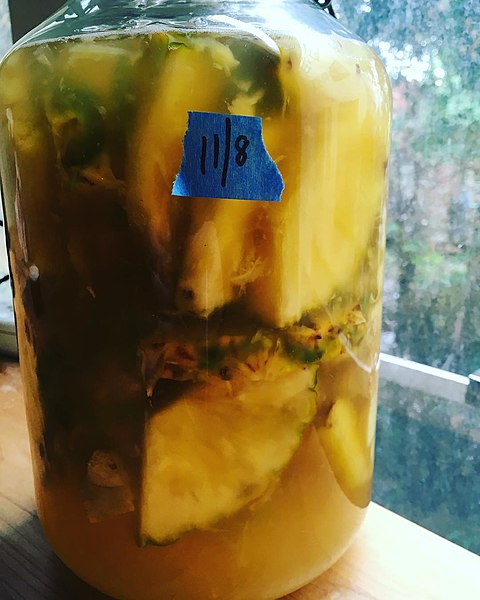
Tepache and kombucha are both refreshing drinks that can be prepared and stored easily. Tepache is a Mexican-style fermented pineapple drink, made with pineapple peel, water, piloncillo or brown sugar, and optional spices. To make tepache, the ingredients are simmered in a pot until the desired sweetness level is achieved. The mixture can then be left to ferment for 3-5 days in a sealed jar or bottle at room temperature.
Kombucha is a fermented tea beverage made from black or green tea and cane sugar. To make kombucha, tea is brewed with hot water, cooled down to room temperature, and combined with sweetened black or green tea before being left to ferment for 7-10 days in an airtight container at room temperature. During fermentation, the tea will develop a fizzy texture and slightly tart flavor as bacteria and yeast convert the sugars into carbon dioxide gas. After fermentation is complete, it should be refrigerated for storage. Both tepache and kombucha should be consumed within two weeks of being bottled up to ensure maximum freshness!
Serving Ideas
As you have learned, both tepache and kombucha need to be properly prepared and stored. Now, let’s move on to discussing ideas for how to serve these drinks.
Tepache is a warm-weather favorite for many people due to its light, sweet flavor. It can be served over ice or blended with other juices and fruits. Kombucha also comes in a variety of flavors and can be served chilled or over ice. Many people like to add fresh herbs or fruit for an extra zing of flavor. The possibilities are endless with both of these beverages!
Frequently Asked Questions
Is Tepache Or Kombucha Better For The Environment?
When it comes to the environment, both tepache and kombucha can be beneficial. Tepache is a fermented beverage made from pineapple rinds, sugar, and spices that has less sugar and fewer calories than other drinks. Kombucha is a fermented tea drink that is rich in probiotics which can help improve digestion. Both beverages are naturally low in sugar and are free from preservatives and additives, making them a great choice for anyone looking to reduce their carbon footprint. Ultimately, the decision between tepache or kombucha will come down to personal preference.
How Long Does It Take To Make Tepache Or Kombucha?
Making either tepache or kombucha typically takes between 3-7 days depending on the temperature of the environment and the desired strength. Tepache is a fermented pineapple drink while kombucha is a tea-based fermented beverage, both of which require sugar and acidity to create the right conditions for fermentation. The brewing process involves combining ingredients in water, allowing it to ferment, and then straining out any solid particles before bottling. After bottling, the beverage will continue to ferment over time and can be consumed within 1-2 weeks.
Can I Make Tepache Or Kombucha At Home?
Making fermented drinks at home can be a fun and rewarding process. Tepache and kombucha are two popular options for fermentation, and both are relatively easy to make on your own. With just a few ingredients and some patience, you can create your own delicious homemade beverages in as little as a week.
Is Tepache Or Kombucha Gluten-Free?
Whether you’re looking to incorporate tepache or kombucha into your diet, it’s important to know whether either is gluten-free. Fortunately, both tepache and kombucha are naturally gluten-free. Tepache is a fermented beverage made from pineapple and spices, while kombucha is made from sweetened tea that has been fermented with a symbiotic culture of bacteria and yeast. Both beverages offer probiotic benefits, making them a healthy addition to any diet, regardless of any dietary restrictions.
What Is The Shelf Life Of Tepache Or Kombucha?
The shelf life of fermented drinks such as tepache and kombucha can vary greatly depending on the recipe and fermentation process. Generally, these drinks can last up to a month when stored in the refrigerator, but it’s important to check the expiration date on your particular product. It’s also important to note that homemade versions of tepache and kombucha may have shorter shelf lives due to the lack of preservatives used in production.
Conclusion
I’ve compared tepache and kombucha, and it’s clear that they have their own advantages. Tepache is a fast-brewing fermented drink that can be made at home with minimal effort, while kombucha takes longer to brew but is gluten-free. Both drinks have a short shelf life, so it’s important to consider your needs before choosing one over the other.
When deciding between tepache and kombucha, I’d recommend considering factors like convenience, cost, health benefits and taste preferences. Ultimately, my decision would come down to what works best for me in terms of time commitment and desired results.
 Fermented Beverages Hub